With so much advice online, anti-ageing skincare can quickly become overwhelming.
In clinic, I often see patients using multiple products without being entirely sure what each one is doing, or whether they are actually helping their skin.
The truth is that an effective routine does not need to be complicated. What matters most is understanding how different steps support your skin over time, and using them in a way that protects, rather than disrupts, your skin barrier.
Why does your skincare routine matter as your skin ages?
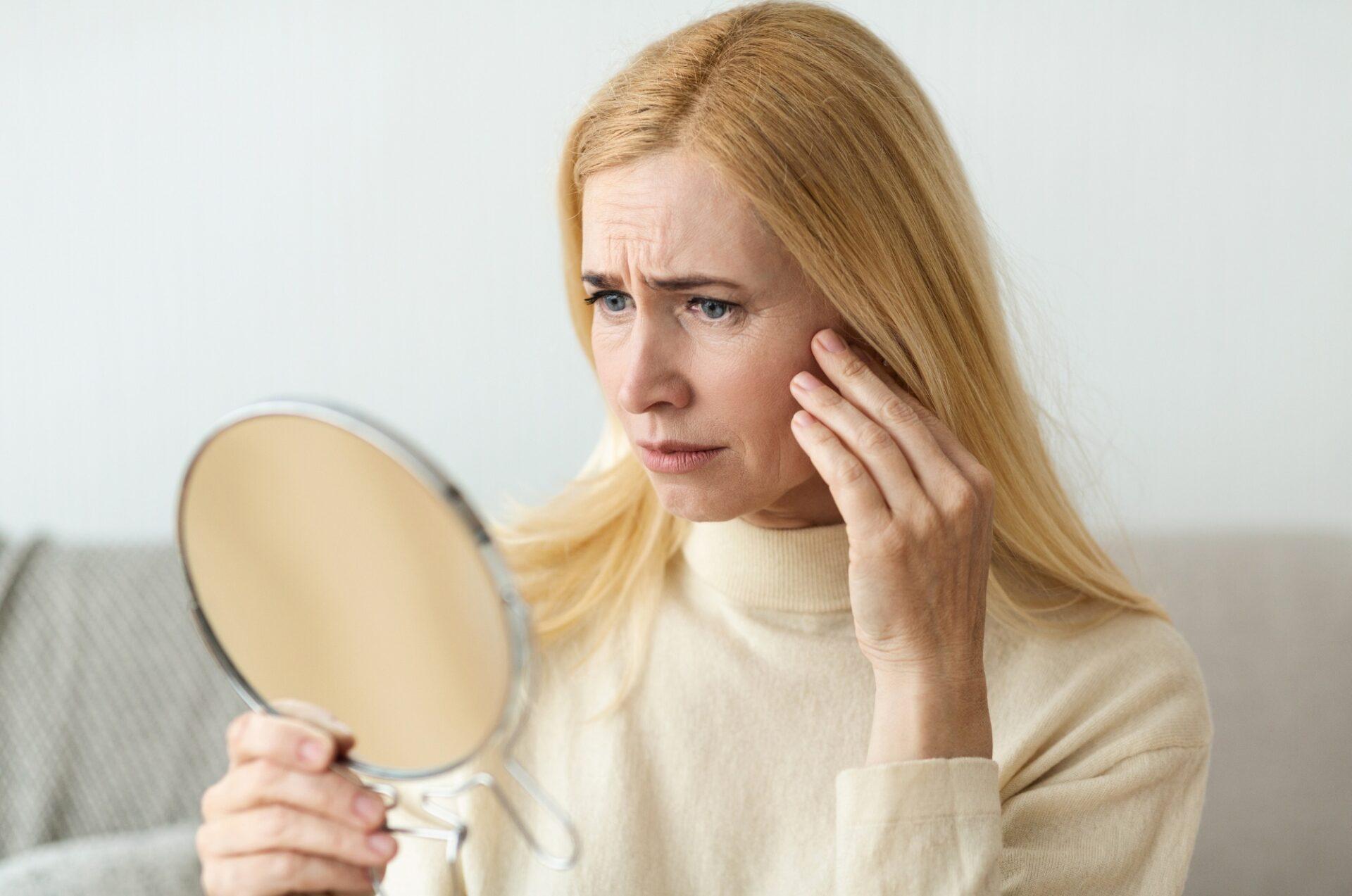
As skin ages, it naturally becomes drier, more sensitive, and slower to repair itself.
At the same time, external factors such as sun exposure, pollution, and harsh products can weaken the skin barrier further. This is often what leads to visible changes such as dullness, fine lines, and uneven texture.
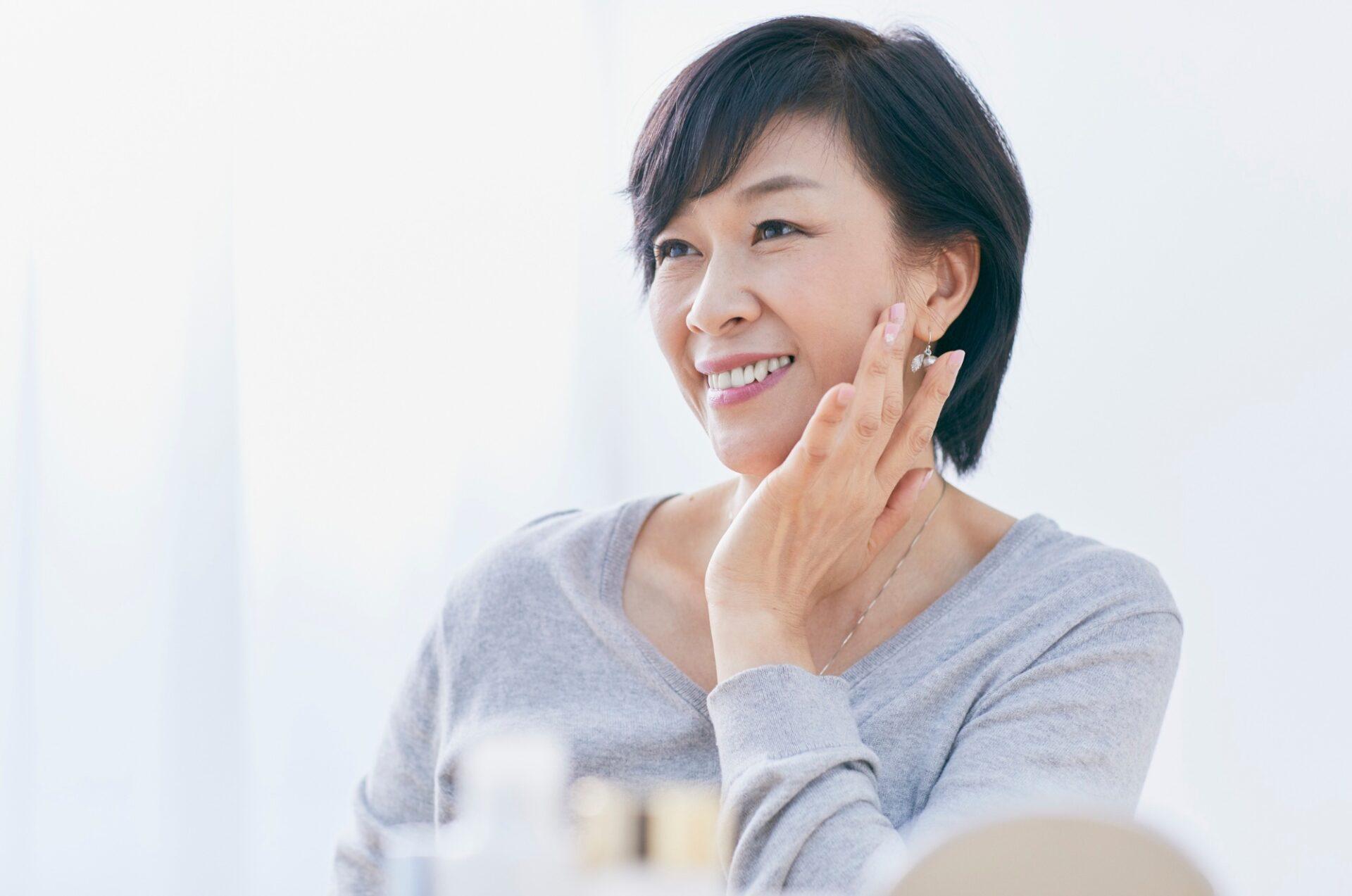
A well-structured routine helps support the skin barrier, improve hydration, and maintain overall skin health.
Does cleansing make a difference?
Yes, but how you cleanse matters just as much as how often.
Cleansing helps remove dirt, pollutants, and micro-organisms from the skin. Done correctly, it can support the skin barrier and improve overall appearance.
However, overly harsh cleansers can strip the skin and lead to dryness or irritation, particularly as skin becomes more sensitive with age.
In practice, it is best to avoid products with strong fragrances, harsh preservatives, or known irritants. Gentle, rinse-off cleansers are often better tolerated than wipes or leave-on products, especially for those with sensitive skin.
Do I need both a serum and a moisturiser?
They serve different purposes.
Serums are lightweight, concentrated products designed to deliver active ingredients deeper into the skin. They are often used to target specific concerns such as uneven skin tone or fine lines.
Moisturisers, on the other hand, are designed to hydrate the surface of the skin and support the barrier function. They help lock in moisture and reduce dryness.
For many people, using both together provides the best balance. In practice, this means applying a serum first, followed by a moisturiser to seal in hydration.
Is exfoliation necessary?
Exfoliation can improve the appearance of the skin by removing the outer layer of dead skin cells. This can make the skin look brighter and smoother, and can also help other products absorb more effectively.
However, more is not always better.
Over-exfoliation is a common cause of irritation, sensitivity, and barrier damage. This is something I see frequently in clinic, particularly in people using multiple active products at once.
Whether you use chemical exfoliants (such as acids) or physical exfoliants (such as scrubs), the key is moderation and choosing a method that suits your skin type.
Can I use multiple active ingredients together?
This is where many routines become unnecessarily complicated.
Certain ingredients, such as retinoids, vitamin C, and exfoliating acids, can all be effective, but using them together or too frequently can increase the risk of irritation.
If the skin barrier becomes disrupted, it can lead to dryness, sensitivity, and breakouts, which often undermines the original goal of improving the skin.
In practice, a simpler routine used consistently is often more effective than a complex routine used inconsistently.
Who should be more cautious with active skincare?
Some people are more likely to experience irritation and may need a more gentle approach.
This includes those with:
- sensitive skin
- eczema or rosacea
- a history of skin reactions
- a compromised skin barrier
In these cases, introducing products gradually and prioritising barrier repair is especially important.
An effective anti-ageing routine is not about using as many products as possible. It is about using the right products, in the right way, and allowing your skin to tolerate them over time.
Consistency, rather than complexity, is what makes the biggest difference.
About the author
Dr Anjali Mahto is a London-based Consultant Dermatologist and cosmetic skin expert, specialising in acne, rosacea, and advanced non-surgical treatments. She is the bestselling author of The Skincare Bible and is known for combining evidence-based dermatology with a holistic, patient-focused approach to skin health.
Find the right specialist for you. Doctify uses verified reviews so you can make the best decision for your healthcare.